Does Antibiotic Resistance Threaten Our Ability to Treat Infections?
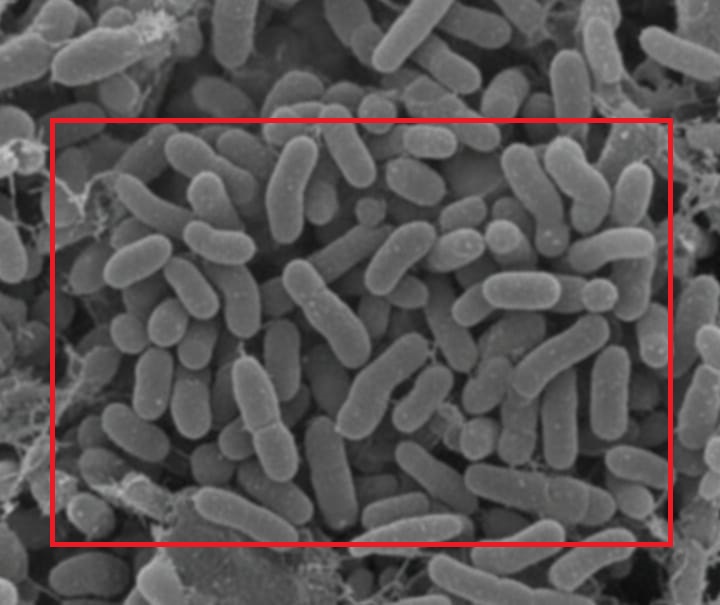
Infections that were once easily treatable have now become a major challenge for modern medicine. Around the world, bacteria, viruses, and parasites are developing the ability to resist the drugs designed to eliminate them. This phenomenon, known as antimicrobial resistance, is turning once-mild diseases into conditions that are difficult, if not impossible, to treat. Hospitals, farms, communities, and even nature are now affected by this silent crisis, which is spreading like an epidemic.
The consequences are severe: prolonged infections, treatment failures, and increased deaths. In Europe, more than 500,000 people die each year due to resistant bacteria, with 133,000 deaths directly attributable to these infections. In Africa, this figure exceeds one million, with 250,000 deaths linked to resistant pathogens. In the United States, resistant bacteria cause nearly 3 million infections and 35,000 deaths annually, while generating enormous economic costs exceeding $50 billion.
India perfectly illustrates the scale of the problem. Antibiotic resistance is rapidly increasing there, particularly for bacteria such as methicillin-resistant Staphylococcus aureus (MRSA), whose prevalence rose from 33% to 39% in one year. Some regions of the country report resistance rates exceeding 50%. Surface waters and drinking water sources also harbor resistant bacteria, proving that this threat extends beyond the medical field to affect the environment.
The COVID-19 pandemic has worsened the situation. Nearly 72% of hospitalized patients received antibiotics, yet only 8% had a confirmed bacterial infection. This excessive use has accelerated the emergence of resistant strains. In Egypt, resistance in certain bacteria surged from 67% to 94% after the pandemic, while in Europe, cases of carbapenem-resistant bacteria reached record levels in intensive care units.
In response to this crisis, innovative solutions are emerging. Scientists are exploring alternative therapies such as bacteriophages—viruses capable of specifically targeting and destroying resistant bacteria without affecting other microorganisms. Antimicrobial peptides, naturally produced by the immune system, offer another avenue by disrupting bacterial membranes. Monoclonal antibodies, designed to neutralize bacterial toxins, enhance the immune response. CRISPR technology, meanwhile, enables the targeting and elimination of resistance genes in bacteria.
Surveillance plays a key role. Tools like artificial intelligence analyze vast amounts of data to predict resistance trends and identify emerging hotspots. Biosensors enable the rapid detection of resistant bacteria in clinical or environmental samples, even in regions where laboratories are scarce. These innovations, combined with better antibiotic management and international cooperation, could slow this crisis.
Yet, without global and coordinated action, the progress of modern medicine risks being undone. Antimicrobial resistance is not just a medical problem but also an economic, social, and environmental one. It demands a united response, involving governments, industries, scientists, and citizens. Only an integrated approach, combining innovation, enhanced surveillance, and responsible antibiotic use, will preserve the effectiveness of treatments for future generations.
Information and Sources
Scientific Reference
DOI: https://doi.org/10.1186/s12982-026-01748-x
Title: Current global challenges and innovative strategies to combat antimicrobial resistance
Journal: Discover Public Health
Publisher: Springer Science and Business Media LLC
Authors: Manisha Sharma; Sanjit Boora; Suman Yadav; Sonam Kadian; Kumari Soniya; Pooja Rani; Samander Kaushik; Jagtar Singh